


Introduction
Some travel experiences are admired, and a few change the way you see the world. Sitting quietly in a cloud forest while a wild mountain gorilla studies you from a few metres away belongs firmly in the second group. It is no surprise that gorilla vacations and safaris have become one of the most sought-after wildlife journeys on the planet.
Mountain gorillas are among the rarest great apes on Earth, found only in the Virunga massif, which spans Rwanda, Uganda and the Democratic Republic of Congo, and in Uganda’s Bwindi Impenetrable National Park. Regulated tourism is one of the main reasons their population has recovered from the brink of extinction. When you trek to see them, you directly fund their protection.
This guide covers where to go, what it costs, when to travel, how to build an itinerary and how to prepare, so you can plan a trip that is both rewarding and responsible.
What Is a Gorilla Vacation?
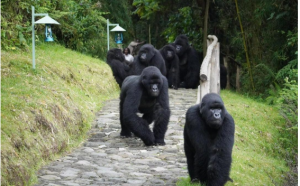
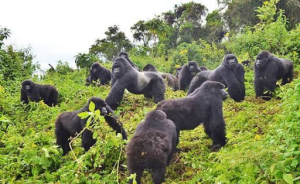
A gorilla vacation is a trip centred on tracking habituated mountain gorillas on foot, accompanied by trained guides and trackers. Each trek ends with one hour in the presence of a gorilla family, observing silverbacks, females and playful youngsters in their natural habitat.
Most travellers pair the trek with other experiences, which is where the idea of a gorilla safari comes in. A gorilla safari typically adds game drives, boat trips, chimpanzee tracking, cultural visits or scenic stays at lakes and volcanoes. The result is a well-rounded journey that mixes the emotional intensity of primate encounters with the variety of a classic African safari.
The Best Destinations for Gorilla Trekking
Rwanda: Volcanoes National Park
Rwanda offers the most convenient route to the gorillas. Volcanoes National Park lies about two to three hours from Kigali by road, so you can trek within a day or two of landing. The country is compact, safe and well organised, which suits shorter trips and first-time visitors.
Rwanda also pairs well with other highlights: Akagera National Park for savannah wildlife, Nyungwe Forest for chimpanzees and canopy walks, and Lake Kivu for relaxation. Permits are the most expensive in the region, priced at US$1,500 per person at the time of writing, so confirm the current rate with the Rwanda Development Board before booking.
Uganda: Bwindi and Mgahinga
Uganda holds roughly half of the world’s mountain gorillas, most of them in Bwindi Impenetrable National Park, a dense, ancient forest in the south-west. Mgahinga Gorilla National Park, on the Rwandan and Congolese border, is smaller and quieter.
Uganda’s permits are cheaper than Rwanda’s, which makes it popular with travellers who want to stretch their budget and add more activities. The trade-off is that Bwindi’s terrain is steep and travel distances are longer. Ugandan itineraries often combine gorillas with Queen Elizabeth National Park, famous for tree-climbing lions, and Kibale Forest for chimpanzees. Current permit prices should be checked with the Uganda Wildlife Authority.
Democratic Republic of Congo: Virunga National Park
Virunga offers a rawer, more adventurous experience and typically the lowest permit price. However, security conditions in the eastern DRC can change quickly, so travellers should check official government travel advice and rely on reputable operators before considering this option. For most visitors, Rwanda and Uganda are the practical choices.
Rwanda vs Uganda: Which Should You Choose?
| Factor | Rwanda | Uganda |
| Permit cost | Higher | Lower |
| Access from capital | 2 to 3 hours | Long drives or domestic flights |
| Trek difficulty | Often moderate | Can be steep and demanding |
| Best for | Short trips, first-timers, luxury | Longer trips, budget-conscious, variety |
Neither is a wrong choice. Rwanda rewards those short on time, and Uganda rewards those who want a longer, more varied adventure.
Combining Gorillas with a Classic Safari
The most popular gorilla vacations and safaris blend primates with savannah wildlife. Here are the best pairings.
Rwanda: Volcanoes National Park plus Akagera National Park gives you gorillas and Big Five game viewing. Akagera offers lions, elephants, rhinos, giraffes, hippos and excellent boat safaris on Lake Ihema.
Uganda: Bwindi plus Queen Elizabeth National Park delivers gorillas, tree-climbing lions, elephants and the Kazinga Channel boat cruise, which is among the best wildlife-viewing boat trips in Africa.
Regional extensions: Some travellers combine Rwanda or Uganda with Kenya’s Maasai Mara or Tanzania’s Serengeti for a larger East African circuit, though this adds significant time and cost.
Sample Itinerary: 7-Day Gorilla and Safari Vacation
Day 1: Arrival in Kigali. Meet your guide, transfer to your hotel and consider visiting the Kigali Genocide Memorial for context on Rwanda’s history.
Day 2: Kigali to Volcanoes National Park. Scenic drive north, with time to rest and prepare for the trek.
Day 3: Gorilla trekking. Early briefing, trek to your assigned family and enjoy your hour with the gorillas. Spend the afternoon at leisure or visit a cultural village.
Day 4: Golden monkey trek or Dian Fossey hike. An optional extra day in the park for more primates or a hike to the research site of the famous primatologist.
Day 5: Transfer to Akagera. Drive across the country and take an evening game drive.
Day 6: Akagera safari. Full day of game drives and a boat trip on Lake Ihema.
Day 7: Return to Kigali. Transfer for your departure flight.
When to Go: Best Time for Gorilla Safaris
The dry seasons, June to September and December to February, are the most popular. Trails are drier, forest conditions are easier and savannah wildlife congregates near water. These are also the busiest months, so permits and lodges should be booked well ahead.
The wetter months of March to May and October to November are quieter and greener. Gorilla trekking still happens in all weather, but you should expect mud and rain, and good waterproof gear becomes essential.
What to Pack and How to Prepare
Clothing: Lightweight, quick-drying long trousers and long-sleeved shirts protect against nettles and insects. Add a waterproof jacket and warm layers, as mornings in the highlands are cool.
Footwear and gear: Sturdy, broken-in hiking boots, gardening or hiking gloves, a daypack, a refillable water bottle and a hat. Gaiters are useful in muddy conditions.
Photography: A camera with good low-light performance helps in dense forest. Flash is not permitted near the gorillas.
Fitness: Moderate fitness makes the trek far more enjoyable. Porters are available at a modest fee and help both you and the local community.
Health: Visit a travel clinic well in advance to discuss vaccinations and malaria prevention. Because gorillas are vulnerable to human illness, anyone with a cold, flu or other contagious condition may be refused permission to trek.
Gorilla Trekking Rules to Know
- Minimum age of 15.
- Groups are limited to eight visitors per gorilla family.
- Maintain a distance of about seven metres from the animals.
- Keep your voice low and avoid sudden movements.
- No eating, drinking or smoking near the gorillas.
- Follow your guide’s instructions at all times.
These rules protect both you and the gorillas, and they are a key reason the encounters feel so calm and respectful.
Travelling Responsibly
Gorilla tourism works because it makes living gorillas more valuable than the alternatives. Part of every permit fee supports park management, anti-poaching patrols and local communities. You can extend that impact by choosing lodges that employ and train local staff, hiring local guides and porters, purchasing crafts from community cooperatives and respecting wildlife rules without exception.
Key Takeaways
- Gorilla vacations and safaris combine mountain gorilla trekking with game drives, boat trips and cultural experiences for a complete wildlife journey.
- Rwanda offers easy access and polished logistics, while Uganda offers lower permit costs and longer, more varied itineraries.
- Permits are limited and priced differently by country, so verify current costs and book months ahead.
- The dry seasons, June to September and December to February, are the most comfortable times to travel.
- Pairing gorillas with Akagera in Rwanda or Queen Elizabeth in Uganda adds Big Five or classic savannah wildlife to your trip.
- Good preparation, including footwear, vaccinations and moderate fitness, makes the experience safer and more enjoyable.
- Your permit fee directly supports conservation and local communities.
Conclusion
A gorilla vacation is more than a bucket-list tick. It is a rare chance to share a quiet hour with one of our closest relatives, in a landscape that feels untouched by time, while contributing to the survival of the species. When you add the contrast of a savannah safari, with lions at dawn, elephants at the waterhole and hippos in the evening light, the journey becomes even richer.
Whether you choose Rwanda for its convenience, Uganda for its variety or a combination of both, the key is to plan early, travel responsibly and work with experienced local operators who know the parks well. Do that, and your gorilla safari is likely to be a memory you carry for the rest of your life.
Frequently Asked Questions (FAQ)
- How much does a gorilla vacation cost?
Costs depend on the country, season and comfort level. The permit alone is a major expense, and lodging, transport, guides and park fees add to the total. Budget, mid-range and luxury options exist, so request itemised quotes from several operators. - How many days do I need for a gorilla safari?
Three to four days is enough for a quick trek, but five to ten days lets you combine gorillas with a savannah safari or chimpanzee tracking without rushing. - Are gorilla sightings guaranteed?
Sightings are very reliable because trackers locate the habituated families each morning, but as with all wildlife, nothing is absolutely guaranteed. - How hard is gorilla trekking?
It varies from an easy hour to a demanding multi-hour climb through steep, muddy terrain at altitude. Moderate fitness helps, and porters are available if you need support. - What is the minimum age for gorilla trekking?
The minimum age is 15 in Rwanda, Uganda and the DRC. - When is the best time to see gorillas?
June to September and December to February are the driest and most popular periods. Trekking is possible year-round. - Is it safe to travel gorilla trekking?
Rwanda and Uganda are widely regarded as safe for visitors, with well-established tourism infrastructure. Always check your government’s current travel advice and use a reputable operator, especially if considering the DRC. - Can I combine gorilla trekking with a regular safari?
Yes. Popular combinations include Volcanoes and Akagera in Rwanda, and Bwindi and Queen Elizabeth in Uganda. - How close can I get to the gorillas?
Rules recommend about seven metres, though curious gorillas sometimes approach on their own. Guides will instruct you on how to behave in those moments. - What should I do if I am sick on trek day?
Tell your guide. Gorillas can catch human illnesses, so park authorities may refuse permission to trek if you are unwell. Ask your operator about permit change policies before you book.