


Primate safaris in Rwanda is small, green, and surprisingly easy to travel. In a country about the size of a handful of American counties, you can stand beneath volcanic peaks watching a silverback gorilla chew bamboo, then drive south and walk a canopy bridge above one of Africa’s oldest rainforests, listening for chimpanzees. For many travelers, a primate safari in Rwanda is the most efficient and polished way to meet some of the world’s most remarkable apes.
This guide covers what a Rwanda primate safari involves, where each species lives, how permits and prices work, the best time to go, how hard the treks are, and how to build an itinerary around them. Permit prices and rules can change, so confirm current figures with your operator before booking.
Why Choose Rwanda for a Primate Safari?
Short distances. Volcanoes National Park, the base for gorilla trekking, is a scenic drive of roughly three hours from Kigali, so you can fit a gorilla trek into a short trip.
A well-organized system. Permits, trekking groups, and park procedures are run efficiently by the national authority, and trekking logistics are generally smooth.
Strong conservation record. Rwanda has invested heavily in protecting its gorillas and forests, and a share of permit revenue supports local communities.
A choice of primates in one small country. Gorillas, golden monkeys, chimpanzees, and a range of other forest primates are all within a few hours’ reach.
Comfort. From mid-range lodges to some of Africa’s most celebrated luxury eco-lodges, accommodation near the parks is generally of a high standard.
The Primates You Can See in Rwanda
Mountain Gorillas
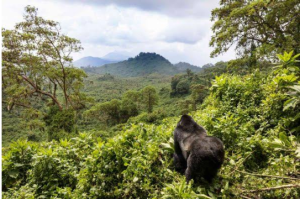
Mountain gorillas are the headline attraction. In Rwanda, they live in Volcanoes National Park, which covers about 160 square kilometers of volcanic terrain in the northwest, part of the wider Virunga range. Gorillas here live in habituated family groups, and trackers follow them daily. Sighting success is reported to be very high, around 98 percent. Treks can start from the park headquarters, and the hike may last from under an hour to several hours depending on where the family spent the night.
Golden Monkeys
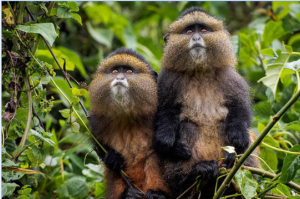
Also found in Volcanoes National Park, golden monkeys are agile, playful, and endangered. They move quickly through bamboo and photograph beautifully. A golden monkey trek is shorter and less strenuous than a gorilla trek, which makes it a popular extra for travelers with a spare day or limited fitness.
Chimpanzees
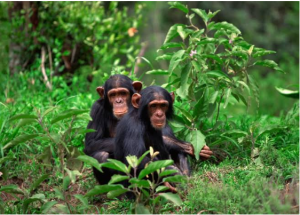
Nyungwe Forest National Park, in the south, is one of Africa’s oldest and most biodiverse montane rainforests. It is the main place in Rwanda to track chimpanzees, and it also supports a wide variety of other primates, including colobus monkeys. Chimps are fast and vocal, so tracking can be demanding but exciting.
Other Primates
Nyungwe is home to many monkey species, and troops of colobus can often be seen in the trees. Smaller forests such as Gishwati-Mukura also support primates and are developing as conservation and visitor destinations.
Where to Go in Rwanda
Volcanoes National Park
This is the heart of Rwanda’s primate tourism. Its slopes of bamboo forest, alpine meadow, and volcanic peaks make a dramatic setting. Beyond gorilla and golden monkey treks, the park offers hikes to the area associated with the work of primatologist Dian Fossey, as well as volcano climbs. Lodges range from comfortable mid-range properties to renowned luxury eco-lodges.
Nyungwe Forest National Park
Nyungwe is a very different environment: misty, ancient, and dense. A canopy walkway lets you cross high above the forest floor, and trails lead to waterfalls, tea plantations, and chimpanzee habitats. It rewards travelers who enjoy hiking and birdwatching as well as primates.
Akagera National Park
Not a primate destination, but a useful addition. Akagera offers classic savannah game viewing, with elephants, giraffes, lions, and other wildlife, and pairs naturally with a primate itinerary.
Lake Kivu
A quiet lakeside area between the two forests, Lake Kivu is a relaxing place to rest after treks, with boat trips, beaches, and cycling.
Kigali
The capital is clean, safe, and compact, and offers memorials, museums, markets, and restaurants. Most travelers pass through at the start and end of their trip.
Permits and Prices
Gorilla permits are the biggest fixed cost in any Rwanda primate trip, and they are issued by the national development authority.
- Gorilla trekking permit: about $1,500 per person for foreign non-residents, reported as unchanged for 2026 and 2027. Foreign residents have been reported to pay about $500.
- What the permit covers: park entry, ranger guides, trackers, and about one hour with the gorillas.
- What it does not cover: lodging, transport, meals, porters, tips, and other activities.
- Other primate activities: golden monkey trekking and chimpanzee tracking in Nyungwe carry their own, much lower, permit fees. Confirm current prices with your operator.
Beyond permits, published guides suggest that daily safari rates in Rwanda often run from roughly $600 to $1,500 or more per person before the gorilla permit. Mid-range lodges are commonly reported at about $300 to $600 per night on a full-board basis, and top luxury eco-lodges can cost well over $1,000 per person per night. A seven-day mid-range Rwanda safari including a gorilla permit is often reported at roughly $3,500 to $5,500 per person in total, though this varies widely by season and accommodation.
Permits are limited, with only a small number of visitors allowed per gorilla family each day, so book early, especially for the dry seasons.
Best Time to Visit
Dry seasons (roughly June to September and December to February). Trails are less muddy and views are clearer, making these the most comfortable times to trek. They are also the busiest, so permits and lodges fill earlier.
Wet seasons (roughly March to May and October to November). Rain brings muddy, slippery trails and cloudier views, but fewer visitors and lush forest. Gorillas and other primates can be seen year-round.
In September, Rwanda traditionally holds a gorilla-naming ceremony, which draws visitors and can make lodging busier around that time.
How Difficult Is It?
Gorilla treks. They vary. Some groups are close to the park boundary and require only a short hike, while others may take several hours over steep, muddy ground at altitude. Operators can often match your fitness to a suitable group.
Golden monkey treks. Typically shorter and easier, with gentler terrain.
Chimpanzee tracking in Nyungwe. Can be demanding, because chimps move quickly through steep forest and tracking can take several hours.
Preparation tips:
- Walk regularly in the weeks beforehand, ideally uphill.
- Wear broken-in waterproof hiking boots.
- Bring long trousers, a waterproof jacket, and gloves for gripping vegetation.
- Consider hiring a porter, which helps you and supports local income.
Rules and Ethics
Primates are vulnerable to human diseases and easily disturbed, so rules are strict.
- Minimum age. Gorilla trekking commonly requires visitors to be at least 15 years old.
- Keep your distance. Guides require visitors to stay several meters from the animals.
- Do not trek if you are unwell. Even a mild illness can endanger gorillas, and you may be refused entry.
- Wear a mask where required, and follow guide instructions.
- No flash photography, and keep your voice low.
- Do not eat or drink near the animals.
- Small groups. Gorilla groups are limited, commonly to about eight visitors per family per day.
Sample 7-Day Rwanda Primate Safari
- Day 1: Arrive in Kigali, rest, and optionally visit a memorial or museum.
- Day 2: Drive to Volcanoes National Park and settle into your lodge.
- Day 3: Gorilla trekking in the morning, with a relaxed afternoon.
- Day 4: Golden monkey trek, or a hike to the area associated with Dian Fossey’s research.
- Day 5: Travel to Lake Kivu for a rest day by the water.
- Day 6: Continue to Nyungwe Forest for chimpanzee tracking or a canopy walk.
- Day 7: Return to Kigali for your flight home.
A longer trip can add Akagera National Park for classic game viewing or a cultural village visit.
Rwanda Versus Uganda for Primates
Many travelers compare the two countries.
Rwanda: Higher gorilla permit price, but short transfers, an efficient system, and a polished experience. It often suits travelers with limited time and those who value luxury.
Uganda: Lower permit price in many periods, and a wider choice of primates and safari activities, but longer drives. It often suits travelers who want variety and value.
Neither is better in every way. The right choice depends on your time, budget, and priorities, and some travelers combine both.
Practical Tips
- Book permits first, and build the rest of the trip around your gorilla date.
- Check entry and health requirements. Confirm visa rules, vaccinations, malaria precautions, and any yellow fever certificate requirements for your route.
- Buy suitable insurance covering trekking and emergency evacuation.
- Tip rangers, trackers, and porters in line with local custom.
- Pack layers. Mornings in the highlands can be cool and wet.
- Respect local customs and the environment. Rwanda has a strong cleanliness culture, including limits on plastic bags.
Conclusion
A primate safaris in Rwanda is one of the most accessible and rewarding wildlife experiences in Africa. Gorillas and golden monkeys in the Virunga volcanoes, chimpanzees in the ancient forest of Nyungwe, and a country built around efficient, conservation-minded tourism make it an excellent choice for both first-time and returning travelers. The costs are significant, especially the gorilla permit, so plan carefully, book early, and check current prices and rules. Prepare for the terrain, follow the guidelines that protect the animals, and give yourself time to enjoy the wider landscape. The moment a gorilla looks back at you is one you will not forget.
Key Takeaways
- Primate safaris in Rwanda offers mountain gorillas and golden monkeys in Volcanoes National Park, and chimpanzees in Nyungwe Forest.
- Volcanoes National Park is about a three-hour drive from Kigali, making Rwanda convenient for short trips.
- The gorilla permit costs about $1,500 per person for foreign non-residents and covers about one hour with the gorillas.
- Permits are limited, so book early, especially for the dry seasons (roughly June to September and December to February).
- Treks range from short walks to demanding hikes, and strict rules protect the animals.
- Rwanda is polished and efficient but costs more than Uganda for gorilla permits.
- Pair primates with Lake Kivu, Akagera, and Kigali for a rounded trip.
Frequently Asked Questions
- Where can I see gorillas in Rwanda? In Volcanoes National Park in the northwest, about a three-hour drive from Kigali.
- How much does a gorilla permit cost in Rwanda? About $1,500 per person for foreign non-residents, according to reported 2026 and 2027 figures. Confirm the current price with your operator.
- How long do I spend with the gorillas? Usually about one hour once the group is found, after a guided hike that varies in length.
- Where can I see chimpanzees in Rwanda? Mainly in Nyungwe Forest National Park, which also offers a canopy walkway and a variety of other primates.
- What are golden monkeys, and where can I see them? They are agile, endangered monkeys found in the bamboo forests of Volcanoes National Park. Treks are shorter and easier than gorilla treks.
- When is the best time to go? The dry seasons, roughly June to September and December to February, are the most comfortable, though primates can be seen year-round.
- How difficult is gorilla trekking in Rwanda? It varies from short walks to several hours of steep, muddy hiking at altitude. Operators can often match a group to your fitness, and porters are available.
- Is there an age limit? Gorilla trekking commonly requires visitors to be at least 15 years old.
- Is Rwanda or Uganda better for gorillas? Rwanda is more polished, with shorter transfers but a higher permit price. Uganda is often cheaper and offers more variety. The best choice depends on your time and budget.
- Do I need vaccinations or travel insurance? Requirements vary by travel history, and a yellow fever certificate may be needed. Consult a travel health professional, and choose insurance that covers trekking and evacuation.